










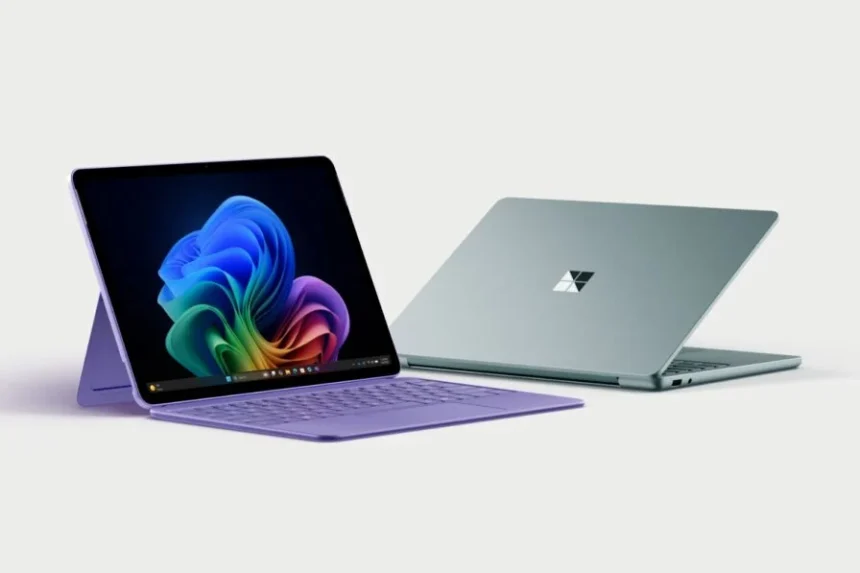
Microsoft has officially unveiled its newest Windows 11 devices—the 12-inch Surface Pro and the 13-inch Surface Laptop. While these refreshed models bring improvements in design and portability, one change has sparked widespread debate among Surface fans: the removal of the magnetic Surface Connect port. Once a staple of Microsoft’s premium laptops and tablets, the Surface Connect port allowed for magnetic charging and connection to accessories like the Surface Dock. Its absence in the 2025 lineup has raised eyebrows, especially among users who valued its convenience and safety—much like Apple’s MagSafe charger, which was famously removed in 2015 and later reintroduced due to consumer demand.
According to Jit Hirani, lead designer for Surface Devices, the decision to drop the Surface Connect port was intentional and aimed at making the new Surface Pro and Surface Laptop the thinnest and lightest Surface PCs ever created. The 12-inch Surface Pro, for example, is just 7.8mm thick and weighs 686g, a noticeable reduction from the previous 13-inch Surface Pro, which was 9.3mm thick and 895g. Hirani emphasized that most users today already carry USB-C chargers in their bags, making it more practical and consumer-friendly to consolidate charging to a universal USB-C port.
However, this change hasn’t come without criticism. While USB-C is undeniably versatile, many Surface users appreciated having both options—USB-C and Surface Connect—available. The magnetic Surface Connect cable helped prevent accidental damage, as it would easily detach if pulled, saving many devices from potentially catastrophic falls. This unique design feature was not just convenient, but a key reason why some users chose Surface devices over competitors.
Microsoft’s decision reflects a broader industry trend of prioritizing thin and light designs over legacy ports, a movement seen across Apple, Dell, and other manufacturers. Yet, some consumers argue that such sacrifices negatively impact usability. The fact that users could previously charge via USB-C or Surface Connect gave them freedom of choice—something now lost in the pursuit of minimalism. Furthermore, it’s likely Microsoft’s internal data showed that most Surface owners were already charging via USB-C, and that the Surface Dock had limited adoption, making the port’s removal justifiable from a business standpoint.
As Microsoft moves forward with its hardware roadmap, it’s becoming increasingly clear that USB-C will be the standard across all future Surface products. While this simplifies compatibility, it also signals the end of a distinctive Surface feature that set the devices apart. As Hirani put it, Microsoft is focusing on designing products that “fit into your ecosystem and lifestyle,” even if that means letting go of proprietary innovations like Surface Connect. For now, fans of the magnetic charging port may be disappointed, but it appears Microsoft is all-in on a USB-C-only future.